Fractional COO & Operational Advisory · UK & US
Structure that holds without you.
You can't put out every fire at once, unless you've installed a sprinkler system. That's what I do.
I install the operating structure founder-led businesses run on: forward cash visibility, decision authority, a leadership rhythm that produces decisions, and one accountable owner per outcome. Then I develop your leadership team to hold it, so the business stops depending on you to hold it together.
← yep, that's the job. Put myself out of work. - D.The bottleneck is structural
Most founders do not stall from bad decisions. They stall because responsibility grows faster than structure, until the business depends on one person to hold it together. The partners could run the firm, the team could carry the work, but neither can, because the operating model was never built. I install that structure and develop the leadership team to hold it, so the business becomes structurally independent of its founder.
I started in a business-analyst office in 2006, and I've been advising founder-led businesses since 2015.
The Firm Foundation Framework
Four pillars. Each maps a human symptom to a structural correction, installed in sequence.
Financial Visibility
You find out about a cash problem when it has already happened.
Predictive 30–90 day forward cash flow and margin-by-service-line tracking.
INSTALLED02Decision Authority
Every discount, hire and purchase still waits for your yes.
Threshold-Based Authority Maps. Who decides what, without the founder.
INSTALLED03Leadership Rhythm
The weekly meeting happens. Nothing changes because of it.
Decision-First Cadences that replace activity-reporting meetings.
INSTALLED04Accountability Design
Everyone agrees it matters. No-one's name is against it.
Outcome Governance. One accountable owner for every critical KPI.
Where I start: the money, then the seats
Two things get looked at before anything is installed. What the cash actually does over the next quarter, and which seat in the business needs an owner first. Most founders find the answer to the second one is not the one they expected.
Before: your name in every box. After: one name per box, and it's mostly not yours. Usually the work is already being done and what is missing is the seat around it. Every box opens the detail.
What it means: the squeeze is in week seven, not next week. You can still choose what gives, and you are choosing it on a Monday with time in hand, rather than on the day the payment run fails.
- Hold the second delivery hire until week 9.Owner · Founder
- Invoice milestone 2 on completion, not month end.Owner · Finance
- Agree payment terms on the two largest accounts.Owner · Revenue
One way in
The work starts with four weeks inside your business. That is how what gets built ends up being the right thing. A builder surveys the site before they dig, and nobody mistakes the survey for the job.
I find where the business depends on you, and we start
Four weeks in the business, talking to every person who matters. At the end you know exactly where the dependency sits, what it is costing, and what gets built first. Then we build it.
Book an Operational Clarity Call →
most people carry on. you don't have to. - D.What it turns into, once the four weeks are done:
Founder Operational Advisory
Three to six months. Structure installed, your leadership team developed to hold it, then ownership handed back to them. £2,600–£5,500 a month.
Fractional COO
Ongoing, one to three days a week, when the business needs the seat filled rather than a correction. The first 100 days week by week. £6,500–£11,500 a month.
Both prices are here because you should not have to book a call to find out what you are walking into.
Where the drift shows up first
The four pillars are the same in every sector. The failure pattern differs. Each sector page names the pattern and the numbers that matter.
Law firms
Partners as the operational engine, lock-up creeping past 130 days, collections inconsistent.
02Digital agencies
Margin unknown until year end, utilisation guessed, the founder inside every account.
03Construction
The founder on site and in the office, delivery tied to one person's presence.
04Professional services
Fee-earners lead, no-one owns operations, capacity invisible until it breaks.
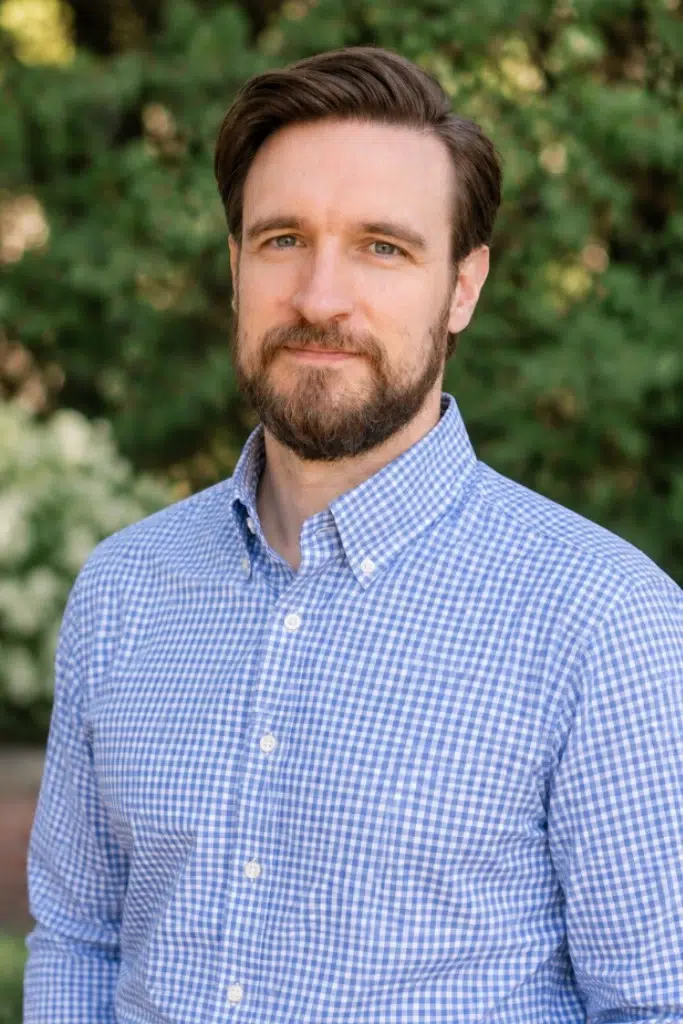
I work with founders at the point where the business has outgrown the way it is run. The job is to redesign the system so it no longer depends on any one person to hold it together.David Schofield · Fractional COO, Purpose In Action
What founders say
AAWe love working with David. It may end up being the most impactful decision we have made in our business.
Law firm partner
LTHe builds operating rhythm. Getting a leadership team to meet consistently, with a real agenda and a place for issues to land, sounds simple. It isn't. David makes it stick, and the results show.
Lloyd T · Founder, business consultancy
AADavid has a rare ability to help you cut through the noise and focus on what actually matters.
Agency CEO
MWHe turns operational insight into meaningful change. I recommend him to any founder looking for not only measurable efficiencies, but sustainable top-line revenue growth.
Max Warren · Fractional COO & CRO
What founders ask before they start
Do you arrive with a framework and install it?
No. The first four weeks are spent inside the business talking to every person who matters, so that what gets built is the thing this business actually needs. I am not handing you a document at the end of it. I am starting the work with the right information.
What if a senior person can't own their area?
Give them a written limit, a number and a weekly review, and you'll know within a quarter. If they still can't hold it, we check the role before the person. Hiring stays your call.
What if I'm the bottleneck?
I'll say so. Your team gets written limits, and you get one rule: a decision inside someone's limit goes back to them, every time. I hold you to it each week.
Can I speak to your clients?
Engagements run under confidentiality, so no. Clutch verifies my client reviews independently, and you can treat the assessment as the audition: four weeks of the real work before you commit to more.
The longer answers are on the fractional COO page.
Reference data
The numbers this practice works from, published and sourced.
Frequently asked questions
What is a fractional COO?
A senior chief operating officer who works inside your business part-time, one to three days a week, with the authority and accountability of the role and none of the full-time overhead. The full picture: what a fractional COO does.
How is this different from a management consultant?
A consultant diagnoses and hands you a recommendation. I install the operating structure, develop the team to run it, and stay accountable until it holds. The outcome sits with the person who designed the system.
Who do you work with?
Founder- and partner-led businesses between £500k and £15M, in the UK and US: law firms, digital agencies, construction and professional services. The common thread: growth has outpaced the way the business is run, and the founder has become the single point of failure.
What does it cost?
The first four weeks are £4,500, one-off, and they show where the business depends on you and what gets built first. After that, Founder Operational Advisory runs £2,600–£5,500 per month for three to six months, and the embedded Fractional COO engagement runs £6,500–£11,500 per month. Every price is on the site because you should not have to book a call to find out.
How do we start?
A 45-minute Operational Clarity Call, which is a direct read of where the business stands. If it looks like a fit, the work starts with four weeks inside the business. You can stop at the end of those four weeks. Most people carry on.
Begin with a conversation
A focused 45-minute Operational Clarity Call, which is a direct read of where the business stands, with no obligation to go further.
Book an Operational Clarity Call →45 mins. If I can't help, I'll say so, and point you to someone who can. - D.